
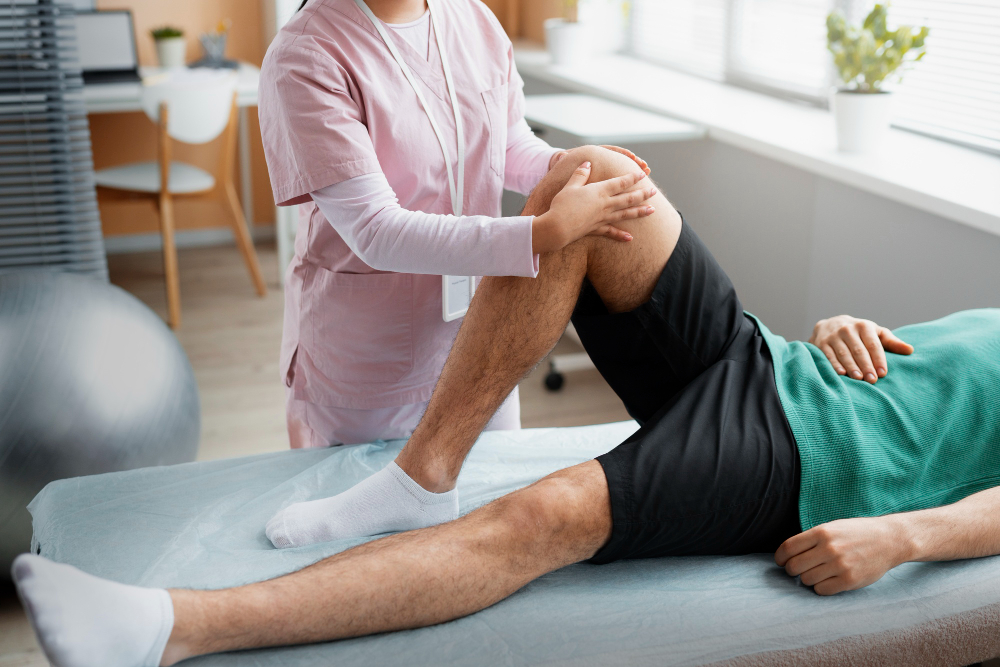
Introduction to Knee Pain Physiotherapy
Knee pain is a common problem for people of all ages. Often, it can make walking, climbing stairs, or even sitting difficult. Because of this, many people look for relief. Knee pain physiotherapy offers safe and proven ways to manage pain, improve movement, and prevent future problems. In fact, physiotherapists use special exercises and treatments to help your knee heal. If you want to know more about knee pain physiotherapy, this guide will help you understand your options.
Common Causes of Knee Pain
Many things can cause knee pain. Sometimes, it is due to an injury. Other times, it may come from overuse or health conditions. For example, these are some common causes:
Because knee pain can have many causes, it is important to find the right treatment.
Symptoms Indicating the Need for Physiotherapy
Sometimes, knee pain goes away on its own. However, certain symptoms mean you should consider knee pain physiotherapy. For instance, watch for these signs:
If you notice these symptoms, physiotherapy can help you recover safely.
Diagnosis: How Physiotherapists Assess Knee Pain
First, a physiotherapist will ask about your pain and medical history. Next, they will check how your knee moves and feels. They may also look for swelling or weakness. Sometimes, they use special tests to find the cause of your pain. In some cases, they may suggest an X-ray or MRI. Because every knee is different, a proper assessment helps create the best treatment plan.
Effective Physiotherapy Treatments for Knee Pain
Physiotherapists use many treatments to help with knee pain. Often, they combine several methods for the best results. These may include:
Because each person is unique, your physiotherapist will choose treatments that fit your needs.
Recommended Exercises for Knee Pain Relief
Exercise is a key part of knee pain physiotherapy. However, it is important to do the right exercises. Here are some safe and helpful options:
Always start slowly and stop if you feel sharp pain. For best results, ask your physiotherapist to show you the right way to do these exercises.
Lifestyle and Home Care Tips
Besides exercises, simple changes at home can help your knee heal. For example, try these tips:
Because small changes can make a big difference, follow these tips daily.
Prevention Strategies for Knee Pain
Preventing knee pain is possible with the right habits. Here are some ways to protect your knees:
Because prevention is easier than treatment, make these habits part of your routine.
When to Consult a Physiotherapist
Sometimes, home care is not enough. If your knee pain does not improve, or if it gets worse, see a physiotherapist. Also, seek help if you have:
Because early treatment can prevent long-term problems, do not wait to get help. You can search for “knee pain physiotherapy near me” to find a qualified expert in your area.
Consult a qualified physiotherapist for personalized knee pain management and recovery advice.