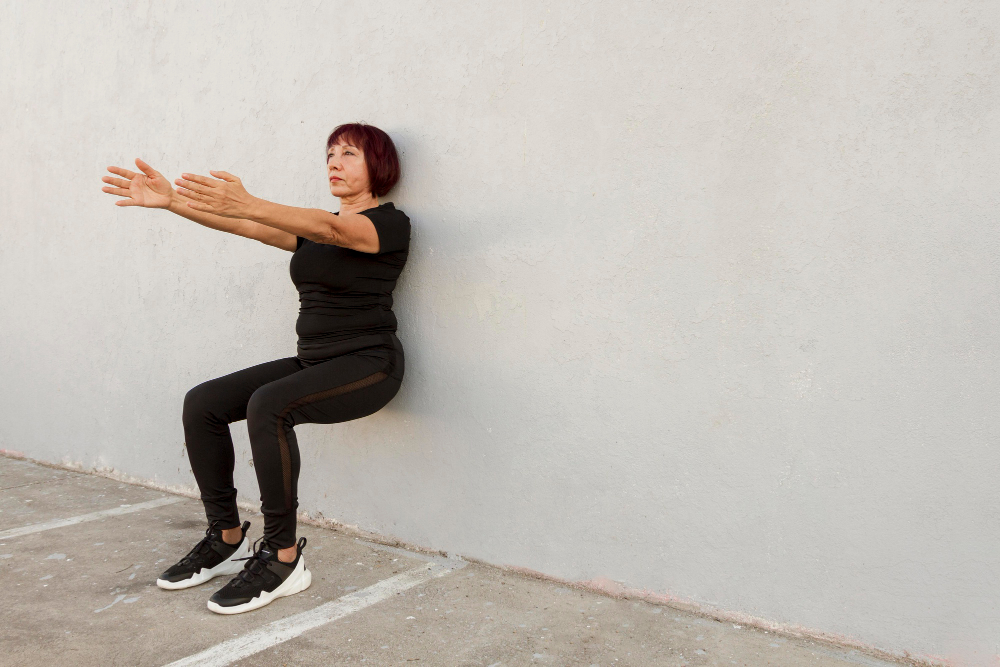
Knee pain can limit your daily life. Many people look for safe knee exercises to help. Wall squats for knee pain are a popular choice in physiotherapy for knee pain relief. These exercises are simple, effective, and can be done at home. In this guide, you will learn about knee pain physiotherapy, wall squats benefits for knees, and how to perform them safely. You will also find tips to get the best results and know when to avoid wall squats. Let’s explore how you can strengthen your knees and reduce pain.
What is Knee Pain Physiotherapy?
Knee pain physiotherapy is a treatment plan to help people with sore or weak knees. It uses special exercises and stretches to make the knee stronger and more flexible. Often, these exercises are gentle and safe for most people. For example, wall squats are a common knee strengthening exercise. Physiotherapists may also use heat, ice, or massage. The main goal is to reduce pain and help you move better. If you visit physiotherapy clinics near you, they may suggest a plan just for your needs.
How Wall Squats Help with Knee Pain
Wall squats are a type of knee strengthening exercise. They help build the muscles around your knee, especially the front thigh muscles. When these muscles are strong, they support your knee joint better. As a result, you may feel less pain and more stable when walking or climbing stairs. In addition, wall squats are easy to adjust for your comfort. Many experts recommend them as part of rehabilitation for knee pain. According to the CDC, regular exercise can help manage joint pain and improve function.
Step-by-Step Guide: Performing Wall Squats Safely
It is important to do wall squats the right way. This helps prevent injury and gets the best results. Follow these steps:
As you get stronger, you can hold the squat longer or do more repeats. However, always listen to your body. If you feel sharp pain, stop right away.
Benefits of Wall Squats for Knee Pain
Wall squats offer many benefits for people with knee pain. Some of the key benefits include:
Moreover, wall squats are a safe exercise for knee joints when done correctly. They are often part of physiotherapy for knee pain relief.
Precautions and When to Avoid Wall Squats
While wall squats are safe for most people, some should be careful. For instance, if you have severe knee pain or swelling, talk to a doctor first. You should also avoid wall squats if you have a recent knee injury or surgery. If you feel pain during the exercise, stop and rest. In some cases, your physiotherapist may suggest other exercises instead. Always follow professional advice for your safety.
Tips for Maximizing Results
To get the most from wall squats for knee pain, try these tips:
Additionally, regular practice helps build strength over time. Consistency is key for lasting results.
Prevention and Lifestyle Guidance
Besides exercises, healthy habits can protect your knees. For example, keep a healthy weight to reduce stress on your joints. Choose shoes with good support. Avoid sudden twists or heavy lifting. If you play sports, use proper techniques. Furthermore, stretching before and after activity can help prevent injury. If you have ongoing knee pain, seek help from physiotherapy clinics near you. Early care can stop problems from getting worse.
In summary, wall squats for knee pain are a simple and effective part of knee pain physiotherapy. They help strengthen your knees and support daily movement. However, always consult a qualified physiotherapist for personalized knee pain management.